K4 Landworks
What Affects a Land-Clearing Quote?
Home › Blog › What Affects a Land-Clearing Quote?
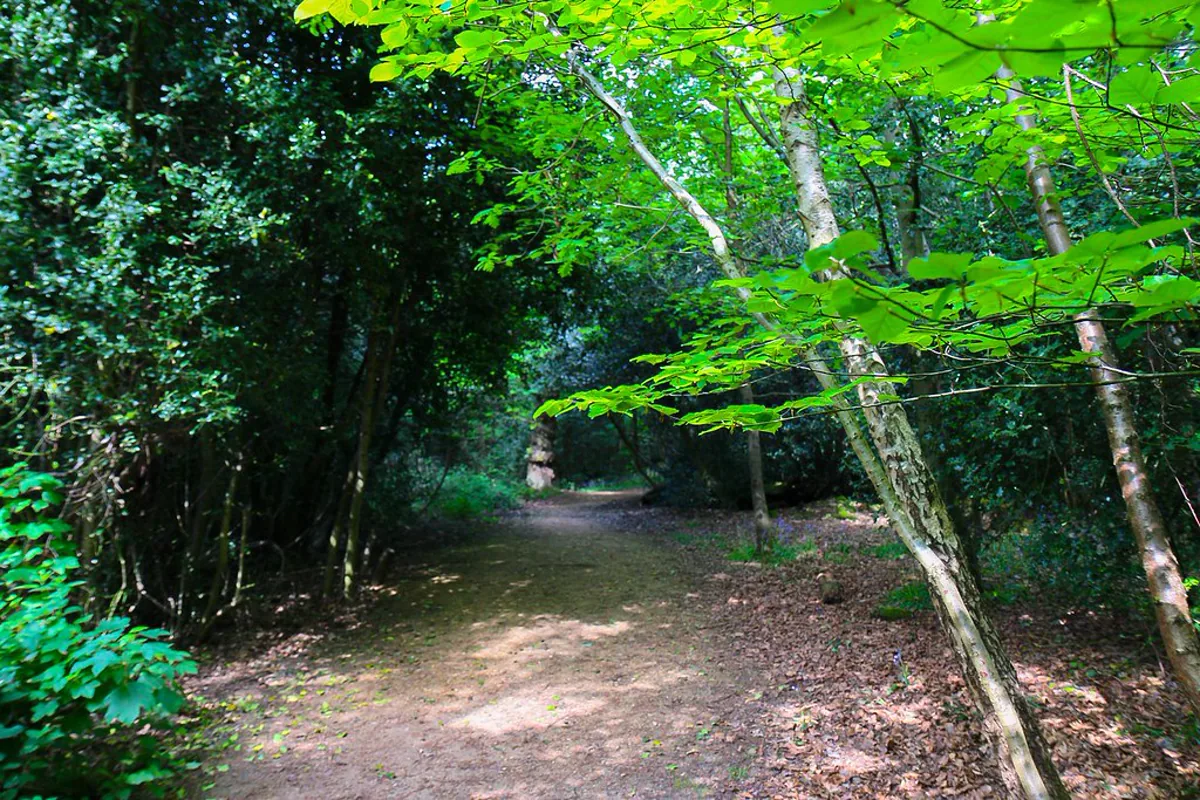
A useful quote begins with the actual property, not a public number that ignores site conditions.
Why public pricing cannot describe every property
Two areas with the same acreage can require very different work. One may hold scattered brush beside a wide entrance. Another may have dense woody growth, soft ground, slopes, old wire, or a long route from the road. The finish can change the job too. Opening visibility is different from creating an ATV route, and both are different from exposing a future-use area for the next phase.
We don’t post a one-size-fits-all land-clearing number because it would leave out the property details that matter. We prefer to look at the work area, access, vegetation, terrain, and finish before quoting. That gives you a number tied to what you actually want done instead of a rate that grows less accurate as soon as the machine reaches the entrance.
Density and acreage work together
Acreage gives scale, but density describes what is actually growing there. Open ground with scattered brush is not the same as a tightly packed area of saplings and woody growth. Stem size, spacing, vines, downed material, and the number of passes needed can all affect equipment time. Photos should show representative areas instead of only the easiest edge.
The site assessment lets us compare those conditions across the full work area. If the property has several different zones, the quote can define them or phase the project. The quote should state where work begins and ends so both parties are discussing the same acreage.
Terrain and access affect the sequence
Equipment must reach the site and move through it. Gate width, overhead clearance, roadside entry, slopes, soft areas, crossings, structures, and turns all matter. A project deep on a property may require a different travel plan than a brush line beside the entrance. Terrain can change which direction work proceeds and whether some areas should wait for better conditions.
Customers should identify boundaries, private utilities, septic components, old fence wire, drainage features, valued trees, and anything that must remain. Hidden conditions discovered after work starts can require a pause and a new discussion. Clear information during the assessment produces a more reliable scope.
Desired finish and mobilization complete the picture
The finish describes what you expect at handoff. Forestry mulching generally leaves processed vegetation on the ground and can leave roots, low stumps, rocks, or uneven soil. Asking for a wider trail, more open visibility, or additional passes can change the work. A construction-ready surface would be a different need from our mulching-based service.
Travel and mobilization cover bringing our equipment to the property and reaching the actual work area. We serve Northern Indiana and Southern Michigan, with each location reviewed for fit. Our process is simple: share the location and photos, answer a few questions, walk the property, and review the quote. Vegetation, area size, terrain, access, finish, and travel are considered together so you can review a clear plan instead of a guessed rate.
The finish deserves its own conversation because words like clear, clean, open, and ready can mean different things. Ask what growth will be processed, how wide a route will be, which trees remain, where mulch stays, and what the surface may look like. If another contractor will handle soil, drainage, or stone later, tell us. Knowing the next phase helps the current work support it.
A useful quote also explains what we need from you. Boundaries and private utilities need to be known. Gates should be accessible, pets and livestock managed, and movable items cleared from the work zone when requested. If conditions change between the property walk and the scheduled work, send updated photos. These details reduce uncertainty and keep the plan focused on the vegetation and access you asked us to handle.
READY TO RECLAIM YOUR PROPERTY?
Send us your property location, a few photos, and what you want accomplished. We’ll review the project and talk through the next step with you.
REQUEST YOUR FREE ESTIMATE